Device Adaptability as a Driver for Reward Optimization in Electronic Gaming Formats and Dealer Sessions
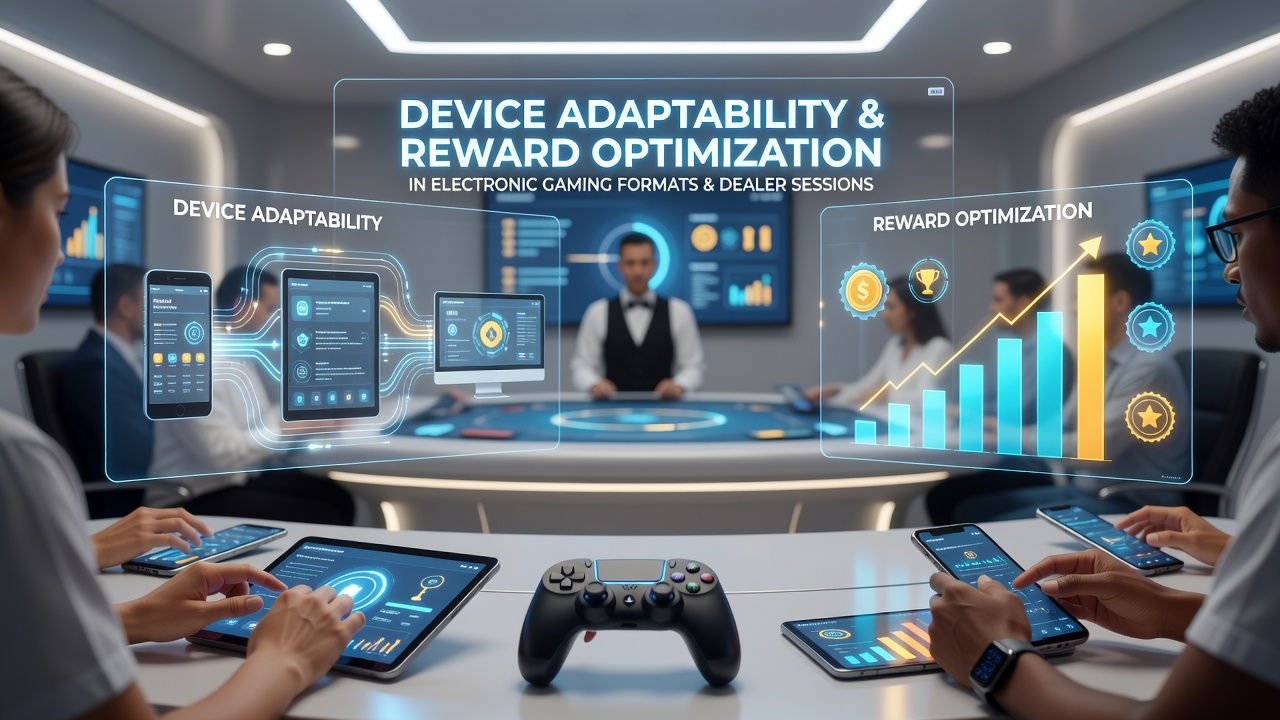
Device adaptability has emerged as a central factor in how electronic gaming platforms and live dealer sessions manage reward structures, with systems now tracking player interactions across multiple hardware formats to adjust bonuses, loyalty tiers, and jackpot eligibility in real time. Operators collect usage data from smartphones, tablets, and desktop computers, then apply algorithms that recalibrate reward rates based on session length, device type, and play patterns observed since early 2025.
Research from industry reports indicates that mobile sessions account for over 60 percent of total playtime in many regulated markets, prompting platforms to prioritize responsive interfaces that maintain consistent reward tracking whether a user switches from a phone during a commute to a desktop at home. This cross-device continuity allows loyalty programs to accumulate points without interruption, while jackpot pools receive contributions calculated from normalized bet values regardless of screen size.
Cross-Platform Data Integration in Reward Systems
Electronic gaming formats rely on backend systems that normalize player metrics across devices, ensuring that reward optimization occurs through unified player profiles rather than isolated session logs. Data collected in June 2026 from multiple operators shows that adaptable platforms achieve higher redemption rates for promotional credits when users move seamlessly between mobile reel spins and live dealer tables, because the system recognizes cumulative activity instead of treating each device as a separate account.
Live dealer sessions present additional technical demands, since video streams and betting interfaces must scale without losing synchronization to the reward engine. Platforms that support adaptive streaming maintain accurate tracking of time spent at tables, which feeds directly into VIP escalation formulas and bonus multipliers. According to figures released by the American Gaming Association, operators deploying such technology recorded a 22 percent increase in average reward payout efficiency during the first half of 2026 compared with non-adaptive systems.
Device-Specific Optimization Patterns
Observers note distinct patterns in how rewards are optimized depending on the primary device. Mobile users often receive time-sensitive bonuses tied to shorter, more frequent sessions, whereas desktop players encounter structured loyalty ladders that reward extended play periods. These differences arise because algorithms analyze device telemetry, including touch interaction frequency and session duration, then adjust incentive parameters accordingly.
One documented case involves a North American operator that modified its reward matrix in spring 2026 after analyzing six months of cross-device data, resulting in mobile players gaining faster access to cashback tiers while desktop sessions unlocked larger jackpot contributions. The adjustment preserved overall payout percentages but shifted distribution timing based on observed behavior clusters.

Regulatory Context and Technical Standards
Regulatory bodies in several jurisdictions have begun examining how device adaptability influences responsible gaming controls and reward transparency. The Australian Communications and Media Authority published compliance guidelines in May 2026 that require operators to disclose device-based reward variations to players, ensuring that optimization processes do not create unintended disparities in access to promotions or jackpot eligibility.
Technical standards developed by the Gaming Standards Association emphasize the need for encrypted data handoffs between devices so that reward histories remain intact during transitions. These protocols reduce discrepancies that previously occurred when players switched platforms mid-session, thereby supporting more accurate optimization of loyalty and bonus systems across electronic gaming and dealer formats.
Impact on Jackpot and VIP Structures
Jackpot systems integrated with adaptive device frameworks distribute contributions according to normalized bet values, preventing mobile or desktop sessions from receiving disproportionate weight in pool calculations. Data from European markets compiled by the European Gaming and Betting Association reveals that adaptable platforms maintained stable jackpot growth rates through mid-2026, even as player migration between devices accelerated.
VIP programs similarly benefit because tier progression now incorporates device-agnostic metrics such as total handle and session frequency. Players who alternate between live dealer tables on tablets and electronic slots on desktops accumulate qualifying activity without manual reconciliation, which has led some operators to report shorter average times to VIP qualification since implementing full adaptability features.
Conclusion
Device adaptability continues to shape reward optimization by enabling unified tracking across electronic gaming formats and dealer sessions, supported by evolving technical standards and regulatory oversight. As platforms refine their algorithms using data gathered through 2026, reward systems increasingly reflect actual cross-device behavior rather than device-specific assumptions, producing measurable shifts in how bonuses, loyalty points, and jackpot contributions are allocated.