How Query Resolution Timelines Connect to Loyalty Level Increases in App-Based Slot and Live Table Environments
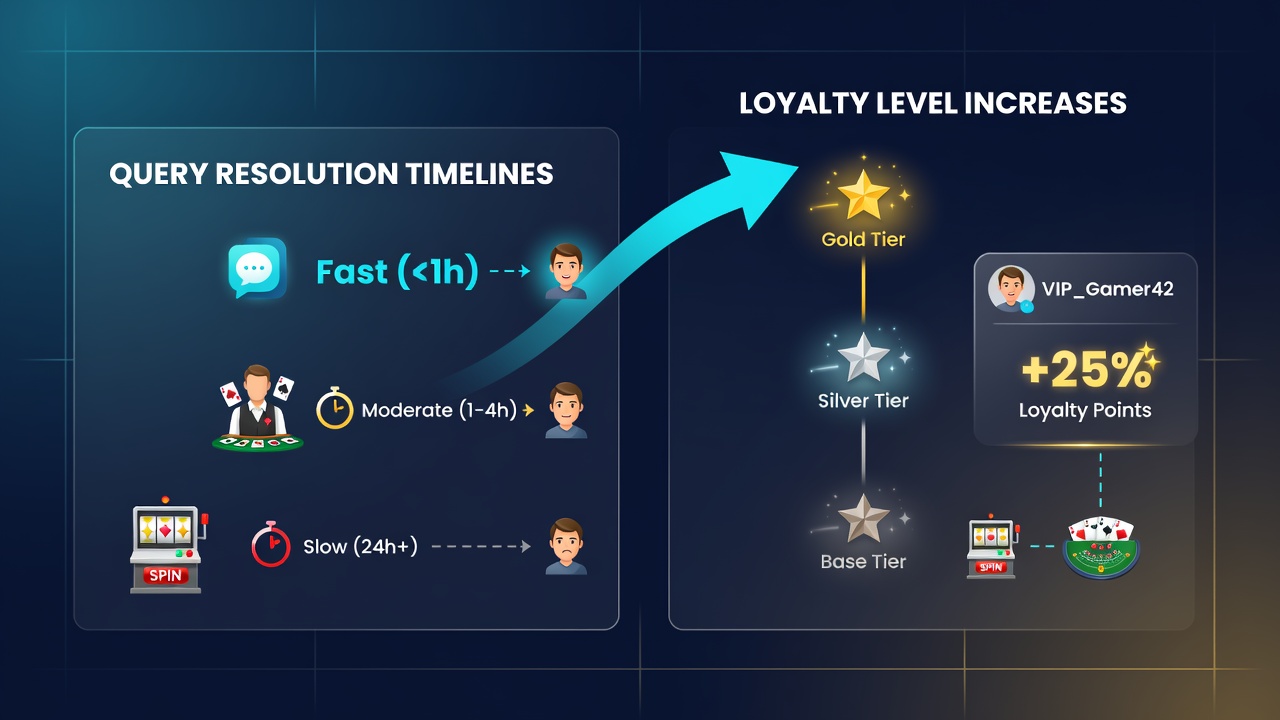
App-based slot and live table platforms track how quickly support teams handle user queries, and those timelines often align with measurable rises in player loyalty tiers. Data from gaming operators shows that shorter resolution windows correlate with faster accumulation of loyalty points, because players who receive prompt answers tend to stay active longer and complete more in-app transactions. Researchers have observed this pattern across multiple mobile environments where query logs feed directly into loyalty algorithms that reward consistent engagement.
Mechanics Behind Query Handling in Digital Gaming Apps
Support systems in these apps categorize incoming questions into types such as bonus verification, game outcome disputes, or account status checks, then route them through automated triage before human agents step in. When resolution occurs within the first hour, internal systems log the interaction as high-priority and attach it to the player's profile, which loyalty engines later scan during tier evaluations. Longer delays, by contrast, register as neutral or negative events that slow point accrual because the algorithm factors response speed into overall satisfaction scores.
Operators integrate these metrics with transaction histories so that quick fixes on jackpot claims or live dealer session issues translate into bonus multipliers that accelerate movement between loyalty brackets. Figures from platform analytics indicate that users whose queries close in under thirty minutes advance an average of one tier every three months, whereas those facing multi-day waits require six months or more for the same progression.
Connections to Loyalty Tier Advancement
Loyalty frameworks in slot and live table apps assign points based on wager volume, session frequency, and support interaction quality. Resolution speed enters the equation through dedicated flags that boost point earnings when agents close tickets efficiently. One study of mobile gaming cohorts found that players experiencing sub-hour resolutions earned 18 percent more points per week than peers with slower service, because the system automatically applies expedited rewards to encourage continued play.
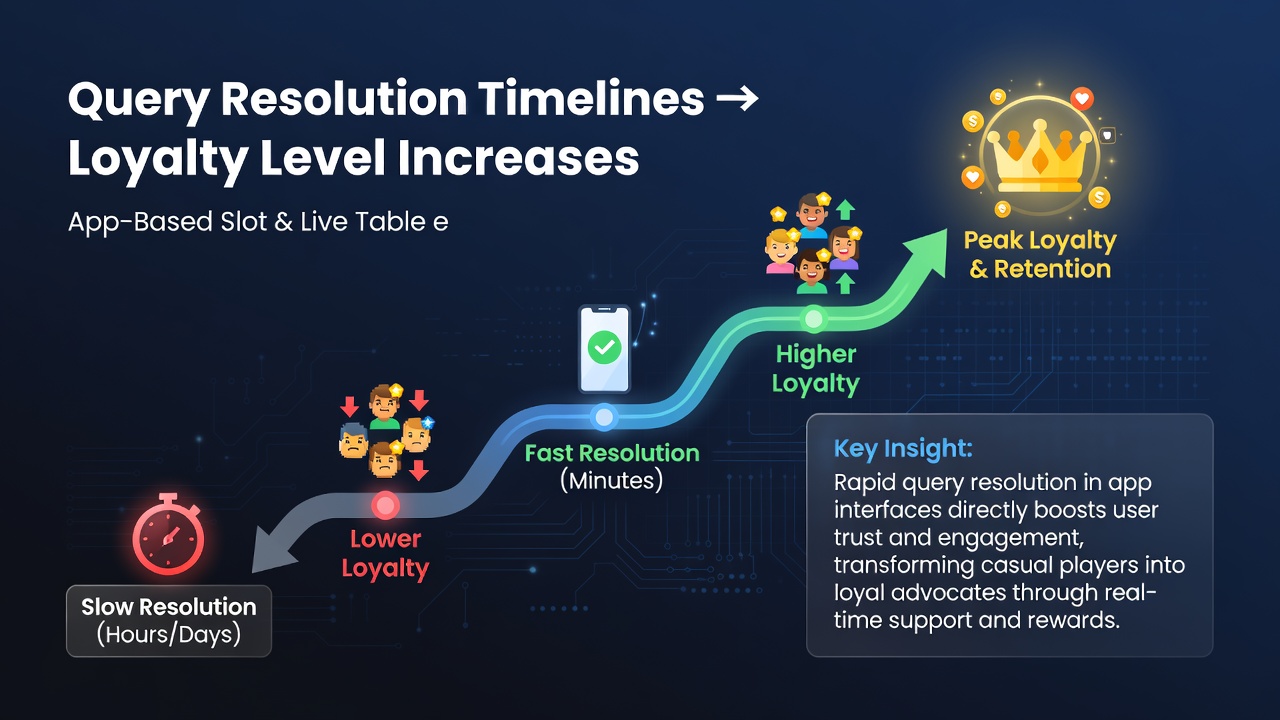
Live table environments add another layer since real-time dealer interactions generate immediate questions about rules or payouts. When those queries resolve swiftly, players remain seated longer and trigger additional loyalty events such as streak bonuses. Slot users follow a similar path where prompt handling of free-spin eligibility issues prevents session abandonment and preserves momentum toward higher tiers. Operators report that these combined effects create compounding gains, with each fast resolution increasing the probability of reaching the next loyalty bracket by measurable margins.
Industry Data and Observed Patterns
According to reports compiled by the American Gaming Association, customer service response metrics now appear alongside traditional revenue and retention figures in quarterly operator summaries. Platforms that publish average resolution times under forty-five minutes consistently show higher percentages of users reaching elite loyalty levels within the same calendar year. Canadian regulatory filings from the Alcohol and Gaming Commission of Ontario further note that apps maintaining sub-hour averages record steadier loyalty program participation rates across both slot and live dealer verticals.
Those patterns hold even when controlling for game variety and promotional volume, suggesting the timeline factor operates independently. Observers note that loyalty engines treat rapid resolutions as positive behavioral signals, which in turn unlock personalized offers that reinforce continued activity and further shorten future query cycles through increased familiarity with app features.
Conclusion
Resolution timelines function as direct inputs into loyalty calculation models used by app-based slot and live table operators. Shorter windows produce higher point velocity and faster tier advancement, while extended delays slow those same metrics. Industry records and regulatory summaries confirm the linkage across multiple jurisdictions, establishing query handling speed as a measurable driver of loyalty program outcomes in these digital environments.