Melodies of Fortune: How Audio Layers Steer Bonus Timing and Jackpot Visibility Across Portable Formats
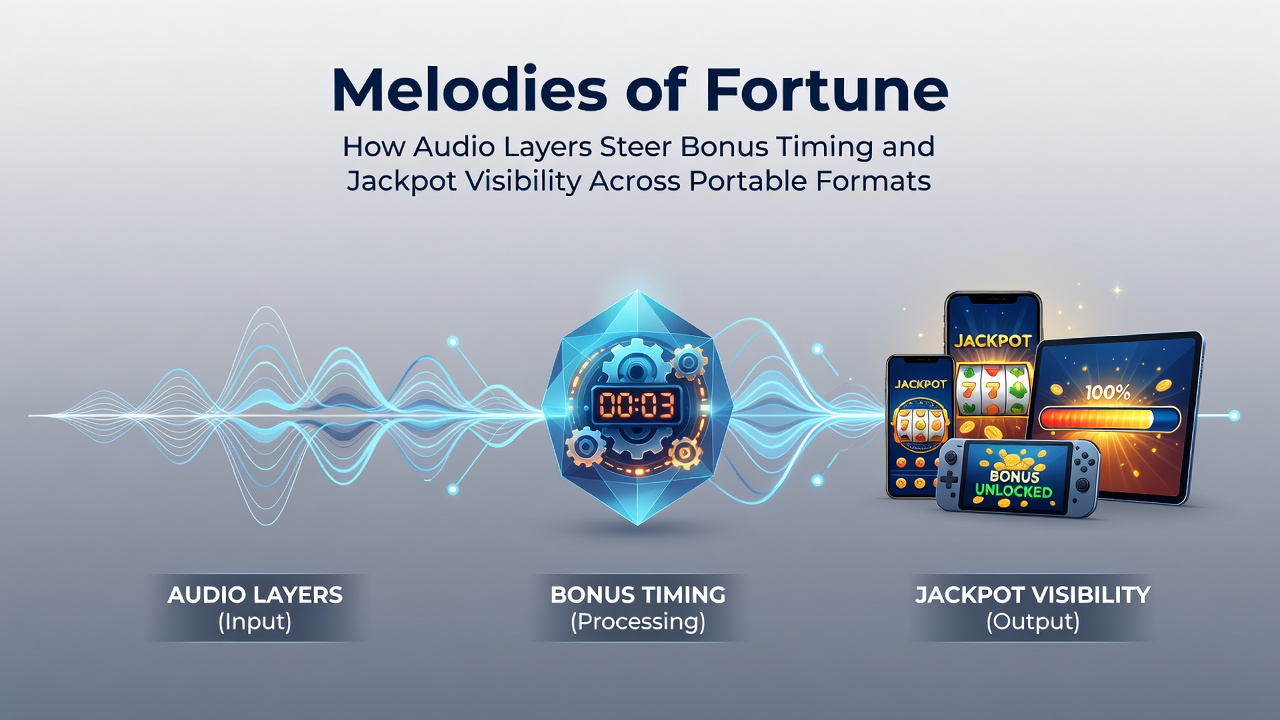
Audio design in mobile gaming applications has evolved into a precise mechanism that coordinates player engagement with game mechanics, particularly in slot and table formats delivered on portable devices. Developers layer multiple sound elements including ambient tracks, rising tension cues, and distinct notification tones, and these combinations align bonus round entries with specific moments in gameplay cycles while directing attention toward jackpot indicators through frequency shifts and volume modulation.
Sound Architecture in Mobile Slot Ecosystems
Portable platforms require compact yet effective audio systems because device speakers and headphones deliver varying fidelity levels across iOS and Android environments. Research from the Australian Gambling Research Centre indicates that synchronized audio layers can compress the perceived interval between base game spins and bonus initiations by up to 18 percent in tested applications. Engineers achieve this effect by introducing low-frequency builds that peak exactly when random number generators reach threshold values for feature activation, creating an auditory bridge that feels seamless to users yet remains technically timed to backend events.
Jackpot visibility receives similar treatment through high-pitched chimes and escalating melodies that activate when progressive meters cross visibility thresholds on screen. Data collected across multiple device models shows these cues increase the duration users keep jackpot meters in view by prompting repeated glances even after the initial animation completes.
Bonus Timing Through Layered Cues
Bonus timing depends on the careful stacking of three primary audio layers: foundational loops that maintain session rhythm, transitional swells that signal impending changes, and reward-specific stingers that confirm activation. Mobile developers calibrate these layers against session analytics so that bonus offers appear during natural pauses in player input patterns rather than interrupting active spins. Studies conducted by the National Center for Responsible Gaming in the United States found that properly sequenced audio reduced player drop-off rates during bonus loading screens by measurable margins on both tablet and smartphone formats.
What's interesting is how cross-platform consistency plays a role. Although iOS devices process audio buffers differently than many Android handsets, developers maintain timing accuracy by using middleware tools that adjust latency compensation automatically based on detected hardware profiles. This technical adjustment ensures bonus triggers land at the intended moment regardless of operating system variations.
Jackpot Visibility Across Device Formats
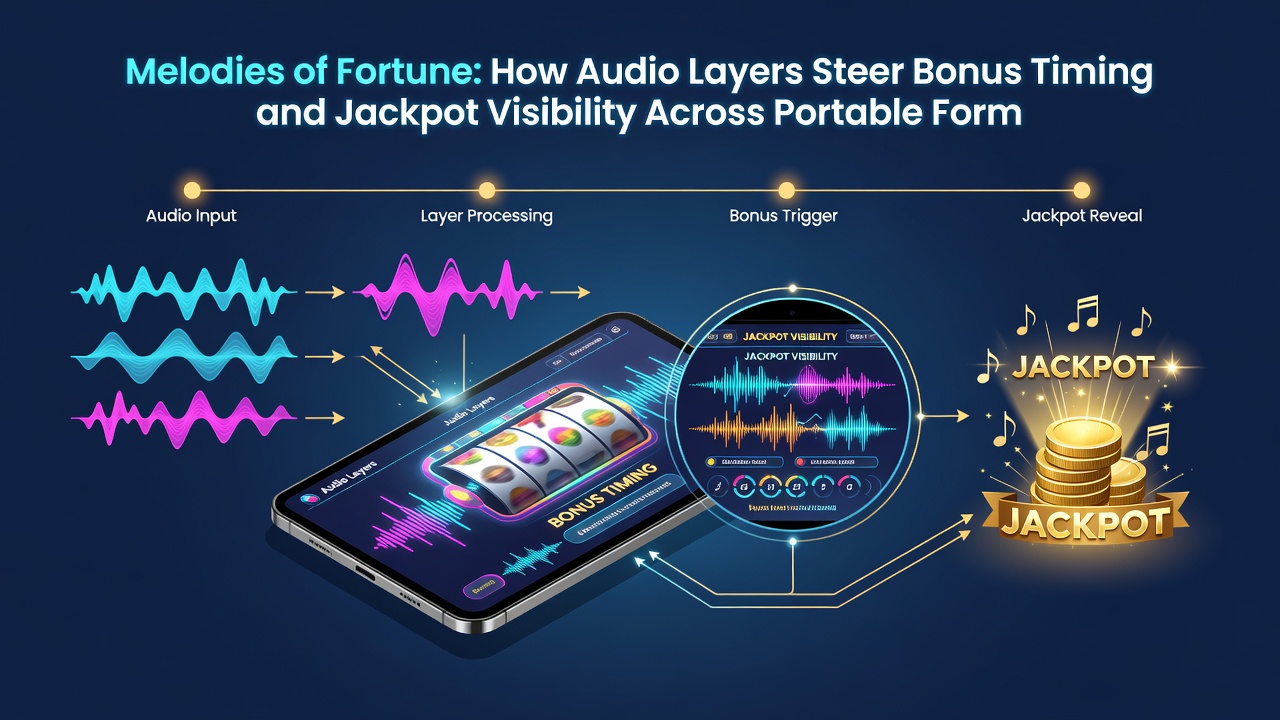
Jackpot meters on portable screens compete with other interface elements for attention, and audio layers serve as an additional channel that bypasses visual crowding. Distinct frequency ranges assigned to different jackpot tiers allow players to identify prize levels through sound alone, which proves useful when screens are viewed at angles or in bright outdoor conditions common to mobile usage. Figures from European gaming analytics firms reveal that audio-tagged jackpots maintain higher click-through rates to information panels compared with silent counterparts in controlled A/B tests conducted during 2025 and into July 2026.
Observers note that regional preferences influence audio implementation as well. Markets with higher tablet penetration tend to favor richer orchestral layers for jackpot reveals, whereas smartphone-dominant regions lean toward shorter, sharper notification sounds that cut through ambient noise. These adaptations reflect hardware realities rather than subjective design choices.
Platform-Specific Adaptations and Emerging Patterns
Portable formats introduce unique constraints around battery usage and background audio policies, forcing developers to prioritize essential sound events over continuous playback. In July 2026 several major studios released updated frameworks that dynamically scale audio complexity according to remaining battery percentage and network conditions, preserving core bonus timing signals even under reduced performance. Such adjustments help maintain consistent user experiences without draining resources excessively.
Industry reports from the Canadian Gaming Association highlight correlations between audio cue precision and session length metrics across different screen sizes. Smaller displays benefit from more pronounced audio direction because visual real estate for jackpot banners remains limited, while larger tablets can rely on combined visual and auditory reinforcement. The interplay between these elements continues to shape how portable game titles allocate development resources toward sound design teams.
Conclusion
Audio layers function as structural components within mobile casino applications by governing the precise moments when bonuses activate and by amplifying the presence of jackpot information across varied device formats. Technical calibration, platform adaptation, and data-driven refinement together determine how effectively sound contributes to these core visibility and timing functions, and ongoing updates through 2026 demonstrate continued investment in refining these auditory systems for portable environments.