Patterns of Engagement Shifts in Digital Entertainment Ecosystems During Major Sporting Events
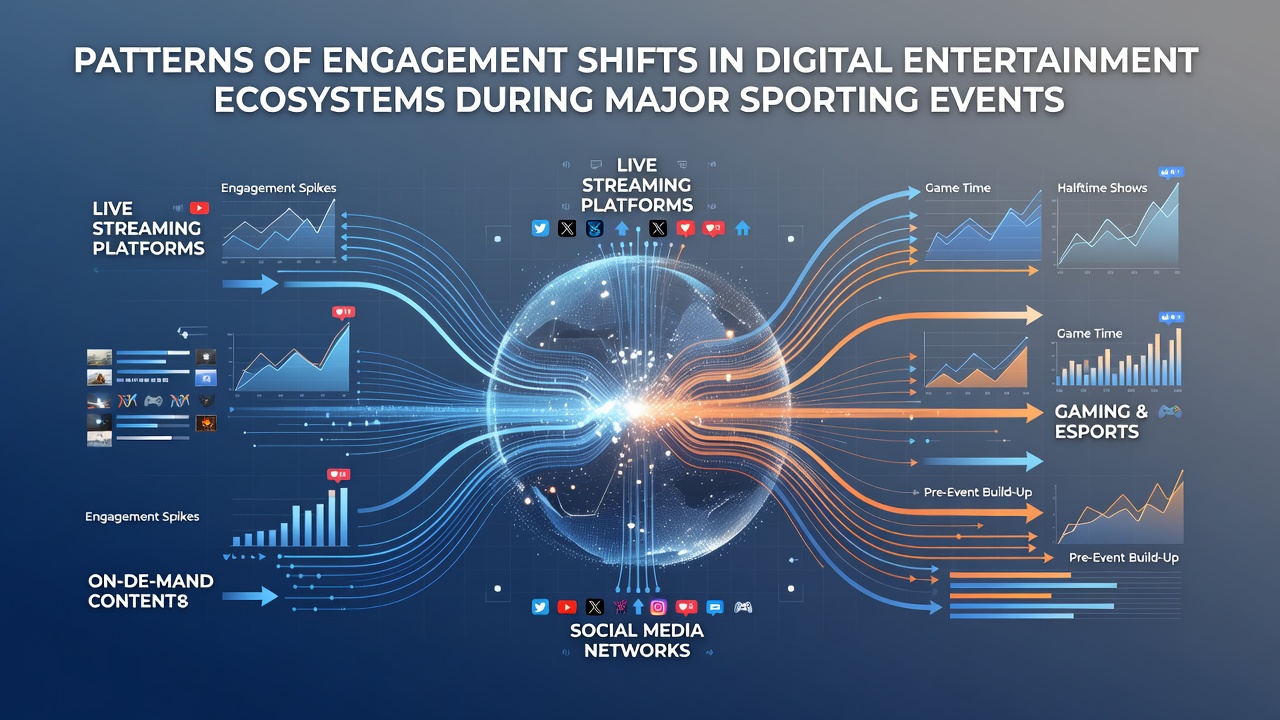
Digital entertainment ecosystems undergo measurable transformations when major sporting events unfold, with data from past competitions revealing consistent patterns in user behavior across streaming services, social platforms, and mobile applications. Researchers tracking these shifts note that audience attention reallocates rapidly during events like the Olympics or FIFA World Cup, often pulling users away from routine content toward live updates, highlights, and interactive features. These movements create ripple effects that extend beyond the events themselves, reshaping how platforms allocate resources and design experiences.
Streaming Service Adaptations
Streaming platforms register substantial increases in concurrent viewers during peak moments of international tournaments, while subscription-based services adjust programming schedules to accommodate heightened demand for sports-related documentaries and recaps. According to industry reports from Statista, viewership on major platforms rises by notable margins when events coincide with evening hours in key markets, prompting providers to expand server capacity and introduce temporary bundles that bundle sports content with standard libraries. Those who've analyzed multi-year datasets observe that users frequently pause ongoing series to switch to live feeds, then return to previous viewing patterns once competitions conclude, yet some discover new genres through cross-promotions tied to athletic themes.
Social Media Activity Surges
Social networks experience concentrated spikes in real-time posting and sharing, with hashtags associated with specific matches trending globally for hours at a time. Studies from academic institutions such as those published through the Pew Research Center demonstrate that engagement metrics on platforms like X and Instagram climb during halftime intervals and post-match analyses, as users exchange clips, reactions, and commentary. This activity often bridges different entertainment verticals, where music streaming services see parallel lifts in event-themed playlists that fans curate and distribute. Observers note that these interactions sometimes persist into subsequent weeks, sustaining interest in athlete-driven content or behind-the-scenes material that extends the event's digital footprint.
Mobile Applications and Interactive Features
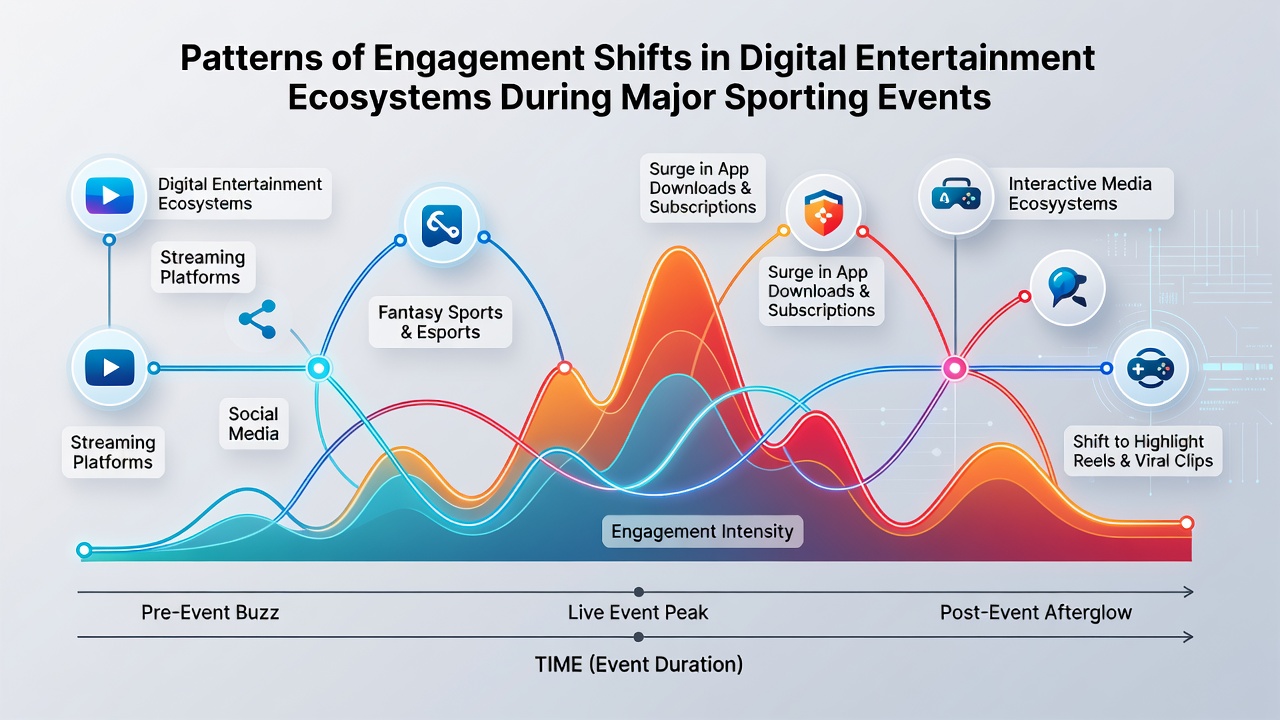
Mobile applications tied to entertainment ecosystems register elevated download rates and session durations around tournament schedules, particularly when features allow users to track multiple events simultaneously or participate in prediction games integrated with streaming interfaces. Data compiled by regional media authorities in Canada shows that app usage patterns shift toward shorter, more frequent check-ins rather than prolonged single sessions, aligning with the pace of live competitions. Developers respond by rolling out updates that prioritize push notifications and quick-access dashboards, while those monitoring cross-platform analytics find that users who engage with sports content during these periods later explore adjacent categories such as gaming apps or podcast libraries at higher rates than non-event periods. What's interesting is how these behavioral adjustments sometimes carry forward, influencing interface preferences long after the final whistle.
Regional and Temporal Variations
Engagement shifts vary by geography and time zone, with European markets displaying different peaks compared to Asia-Pacific regions during overlapping global events. Reports from the Australian Communications and Media Authority highlight how local time differences affect content consumption windows, leading platforms to stagger releases of supplementary material like athlete interviews or archival footage. In June 2026, preparations for the FIFA World Cup across North American host cities are expected to intensify these dynamics further, as digital services coordinate with broadcasters to manage anticipated traffic volumes. Researchers tracking historical precedents indicate that urban areas hosting matches witness amplified local app activity, whereas remote viewers rely more heavily on on-demand clips and social aggregation tools.
Longer-Term Platform Responses
Platforms refine algorithms based on event-driven data, prioritizing recommendations that blend sports highlights with users' established preferences in other entertainment categories. This recalibration occurs because aggregated logs reveal temporary migrations that revert partially once events end, yet leave residual changes in content discovery pathways. Industry analyses confirm that loyalty metrics within entertainment apps strengthen when interactive elements tied to live sports encourage repeated logins, creating feedback loops that benefit both users and providers through sustained interaction.
Conclusion
Patterns of engagement shifts during major sporting events illustrate how digital entertainment ecosystems adapt fluidly to external stimuli, with data from multiple sources confirming reallocations across streaming, social, and mobile domains. These movements, documented through successive competitions, provide frameworks that operators use to anticipate future demands, especially as events like the 2026 World Cup approach and test system resilience at scale. Continued observation of these cycles yields insights into user navigation between content types, underscoring the interconnected nature of modern digital platforms.