Tracing Connections Between Table Game Variations and Emerging Loyalty Frameworks in Digital Spaces

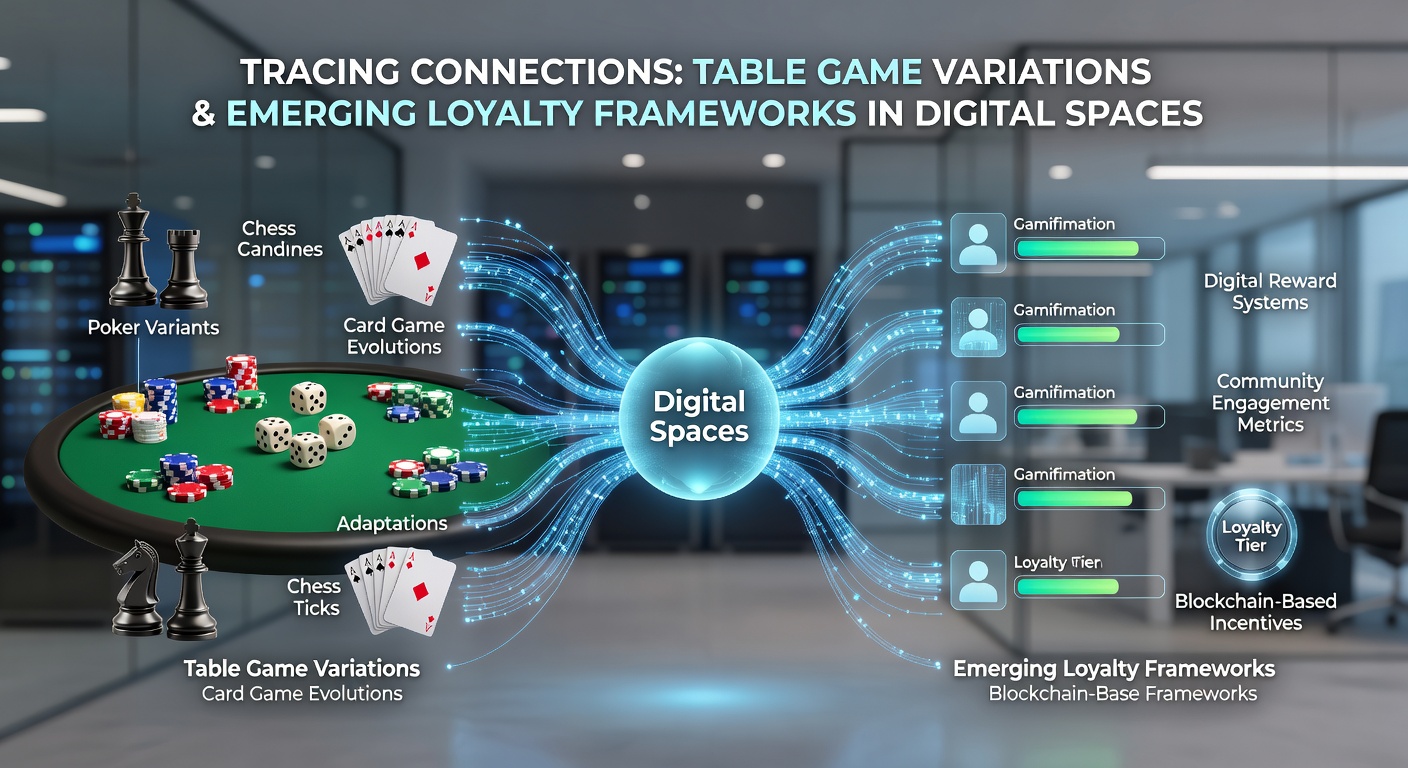
Table game variations have expanded significantly in digital environments over recent years, and loyalty frameworks have developed in parallel to accommodate player preferences across different formats. Researchers tracking these developments note that platforms adjust reward structures based on specific game mechanics such as deck counts in blackjack variants, wheel configurations in roulette adaptations, and betting rounds in poker derivatives. Data from industry monitoring services shows that operators integrate these variations into tiered systems where participation in certain formats accelerates point accumulation rates.
Digital platforms track metrics including session duration, average bet size, and game selection patterns to assign loyalty benefits. Observers note that multi-hand blackjack options often receive higher point multipliers compared to standard single-hand versions, while live dealer adaptations of baccarat connect to separate reward tracks that emphasize real-time interaction. According to reports compiled by the American Gaming Association, these differentiated structures emerged as platforms sought to retain engagement across diverse player segments.
Mechanics of Table Game Variations in Online Environments
Variations arise through rule modifications that alter gameplay speed and volatility. European roulette formats eliminate the double zero found in American versions, which changes house edge calculations and influences how loyalty algorithms distribute rewards. Blackjack switch and double exposure variants introduce decision layers that platforms quantify through custom point formulas. Studies from university research groups indicate that these adjustments encourage longer sessions because players perceive greater strategic depth.
Live dealer integrations add another dimension where video streaming combines with traditional rulesets. Platforms record player choices during these sessions and map them against loyalty tiers that unlock progressive benefits. Figures from platform analytics reveal that users engaging with speed-optimized table variants accumulate qualifying activity faster than those in slower formats.
Loyalty Framework Structures and Their Adaptation Patterns
Emerging loyalty systems rely on dynamic point systems that respond to real-time behavior data. Operators segment rewards into categories such as cashback percentages, exclusive tournament access, and personalized bonus offers. Research indicates that frameworks now differentiate between virtual table play and live dealer participation, assigning distinct value weights to each category. This segmentation allows platforms to balance player retention across high-volatility and low-volatility options.
Blockchain-based loyalty tokens represent one recent development where points convert into transferable assets. Those who have examined these systems observe that table game variations feed directly into token issuance rates, with certain formats generating higher yields. In May 2026, several major digital operators expanded these token systems following updates to cross-platform compatibility standards.
Integration Points Between Game Variations and Reward Systems
Connections form when platforms embed game-specific triggers into loyalty progression. A player switching between Caribbean stud poker and three-card poker may trigger bonus point events tied to hand completion rates. Data shows that operators calibrate these triggers to favor variations with higher engagement metrics, thereby steering activity toward formats that sustain platform revenue. Australian regulatory filings document similar patterns where loyalty multipliers align with jurisdictional requirements for responsible play disclosures.
Personalization engines further strengthen these links by analyzing historical play across variations. When a user demonstrates preference for low-stakes roulette adaptations, the system adjusts upcoming offers to include related table formats while maintaining overall tier progression. Industry reports highlight that this approach reduces churn because rewards feel directly relevant to individual patterns rather than generic promotions.
Regional Developments and Platform Responses
European operators have introduced loyalty structures that incorporate table game variations into compliance reporting. These frameworks record play data for regulatory review while simultaneously feeding reward calculations. Canadian provincial gaming authorities have published summaries showing how digital platforms link variation-specific activity to responsible gambling tools embedded in loyalty dashboards. Observers note that such integrations create transparency without disrupting reward flow.
Platform updates in 2026 incorporated machine learning models that predict which table game variations will appeal to specific loyalty tier members. These models draw from aggregated datasets that exclude personal identifiers yet reveal broad trends in format popularity. The result appears in refined reward schedules that match emerging player interests with existing game libraries.
Conclusion
Table game variations continue to shape loyalty framework design in digital spaces through measurable connections in point allocation, tier advancement, and personalized offerings. Platform operators maintain these links by monitoring engagement data and adjusting reward mechanics accordingly. As regulatory environments evolve and new technological tools emerge, the relationship between specific game formats and loyalty structures remains a central focus for industry participants seeking sustained user activity.